




空中巴士預計亞太地區客運量飊升 20年內將推4萬架新客機 4成半用於亞太地區

AI視界
(以下內容由AI生成,僅供參考)
歐洲飛機製造商空中巴士(Airbus)今日推出《全球市場預測 2026-2045》報告,認為亞太區將成為未來20年全球航空業增長的核心驅動力。
歐洲飛機製造商空中巴士(Airbus)今日推出《全球市場預測 2026-2045》報告,認為亞太區將成為未來20年全球航空業增長的核心驅動力。亞太區的客運量預計將以5.1%的複合年均增長率倍升,超越全球3.9%的平均水平,預期未來20年需引進19,120架新客機,佔全球總需求量的45%。在這批新機中,三分之一將用於更換舊客機,其餘則配合至2045年將達到30億的中產階級人口與城市化進程,以推動業務與經濟發展。
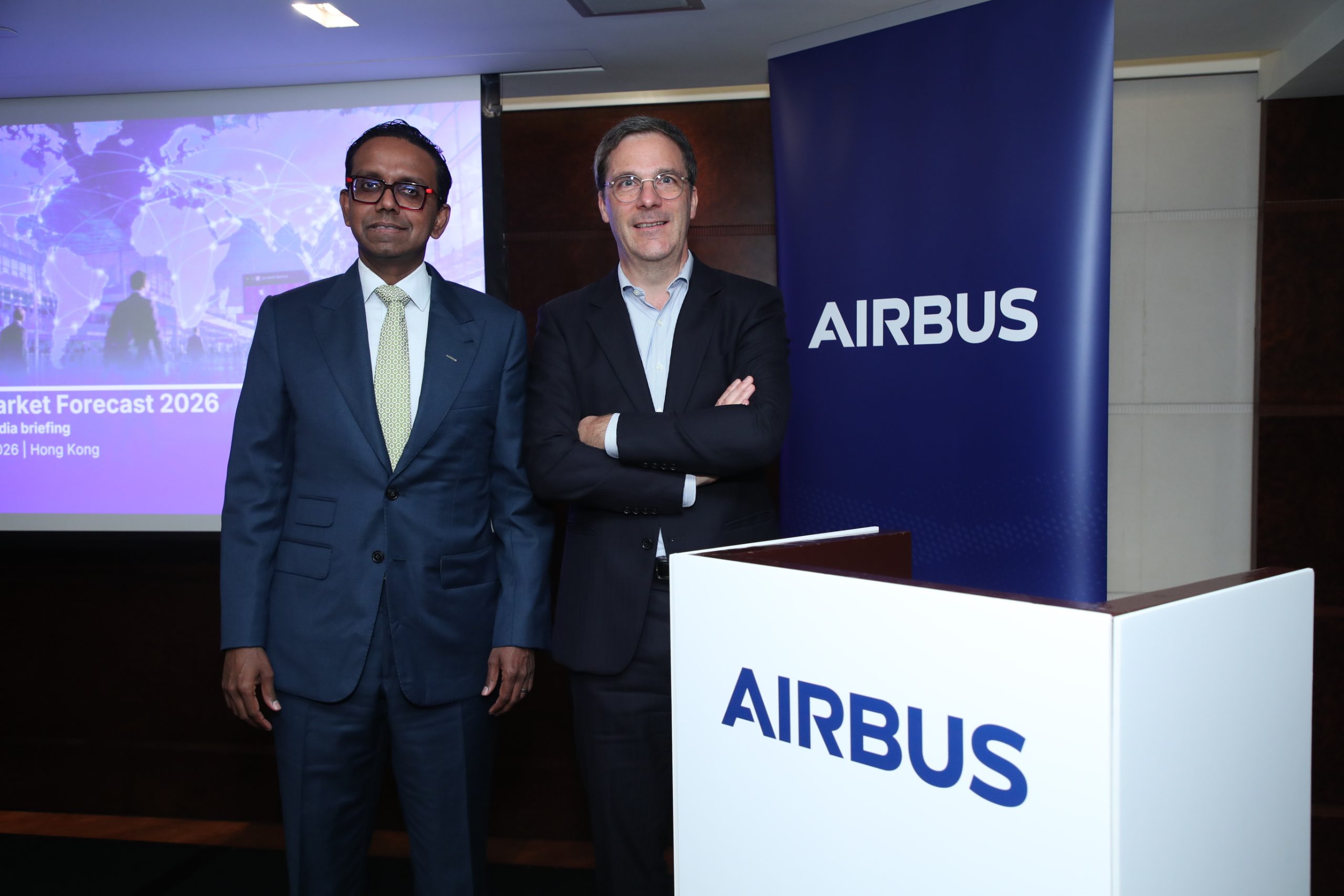
空中巴士亞太區總裁 Anand Stanley 表示:「隨著長途航線網絡持續擴展,航空公司亦正逐步突破傳統的樞紐與支線運作模式,將二線城市與全球經濟直接聯系起來。亞太區的航空公司,運用最新一代的飛機技術,重新勾畫航空網絡版圖,以推動亞太區的長遠經濟發展。」
在各類機型需求方面,亞太區將佔全球寬體機交付量的最大部分,需求達3,420架(佔全球一半)。截至2026年8月底,亞太區已有119間航空公司營運5,000架空中巴士商用客機(佔市場份額 58%),並獲3,500架新飛機訂單,佔全球100座位以上客機待交付總量的61%。亞太區正藉由新一代飛機技術,逐步突破傳統樞紐運作模式,重塑航空網絡版圖並驅動長遠經濟。
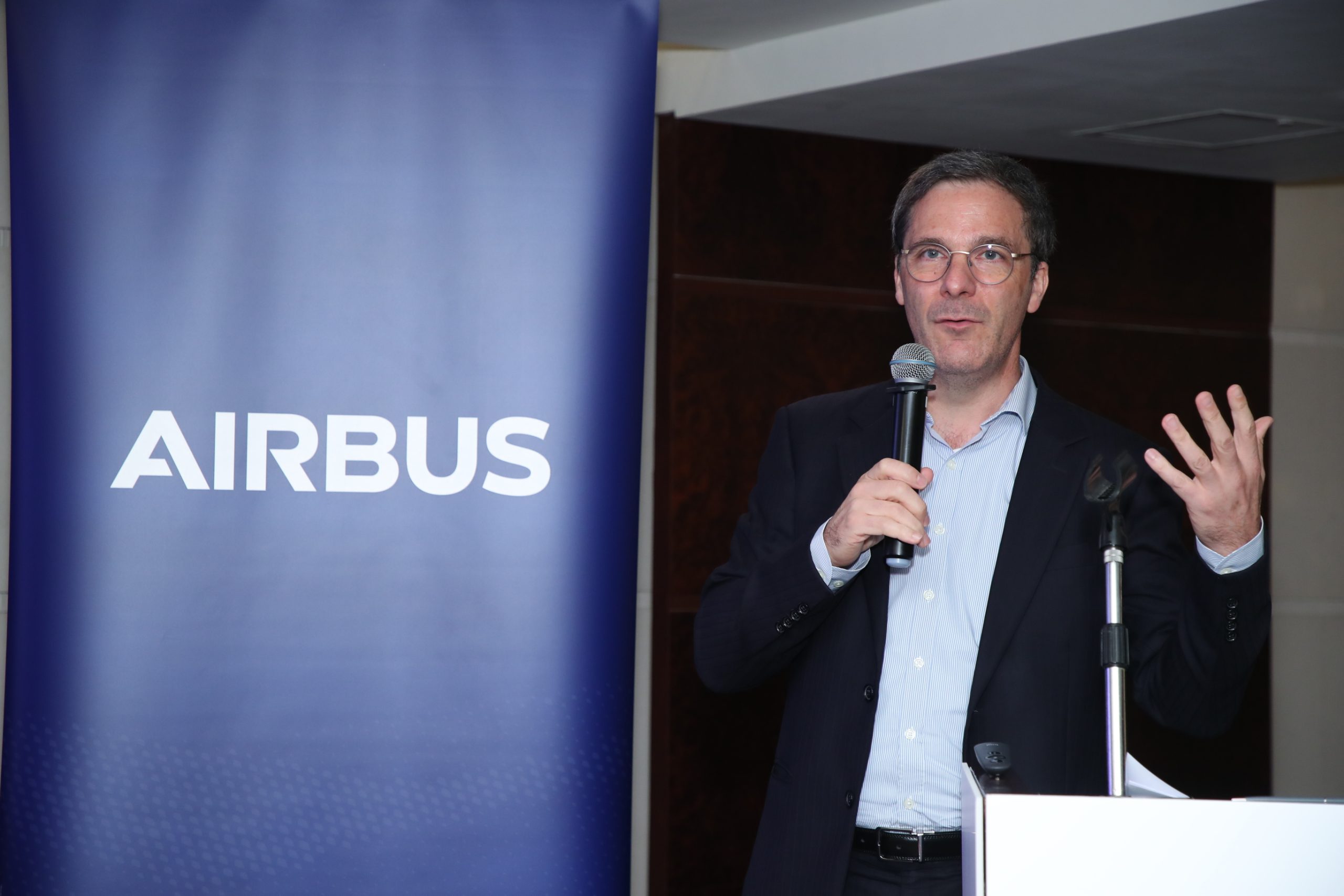
Asia-Pacific driving global aviation with requirement for 19,120 new aircraft
According to Airbus' latest Global Market Forecast (GMF 2026–2045), the Asia-Pacific region which include China, India, the Pacific, Southeast Asia and North Asia will remain the primary engine of global aviation expansion over the next twenty years. With regional passenger traffic projected to grow at a compound annual growth rate (CAGR) of 5.1%—surpassing the 3.9% global average—traffic volumes will more than double during this timeframe. The region is expected to need 19,120 new passenger aircraft, which accounts for 45% of the 42,060 total global demand. One-third of these incoming aircraft will replace older models, while the rest will support fleet growth fueled by strong economic fundamentals, including a middle-class population projected to reach 3 billion by 2045 alongside rapid urbanization.
Regarding aircraft categories, Asia-Pacific will capture the lion's share of global widebody deliveries, requiring 3,420 new widebody jets—representing nearly half of the worldwide total. Meanwhile, demand for single-aisle capacity remains solid, with an anticipated need for 15,700 aircraft in the 100-to-244-seat category by 2045 to support domestic and regional network development. This enhanced connectivity is being driven by new airport infrastructure and versatile, long-range single-aisle models like the A321XLR and A220, which allow airlines to bypass traditional mega-hubs, open up new city pairs, and directly link secondary markets. The A220 is emerging as a crucial network builder, having already enabled over 400 new routes worldwide, with Airbus anticipating it will unlock more than 800 additional unserved city pairs across Asia-Pacific.
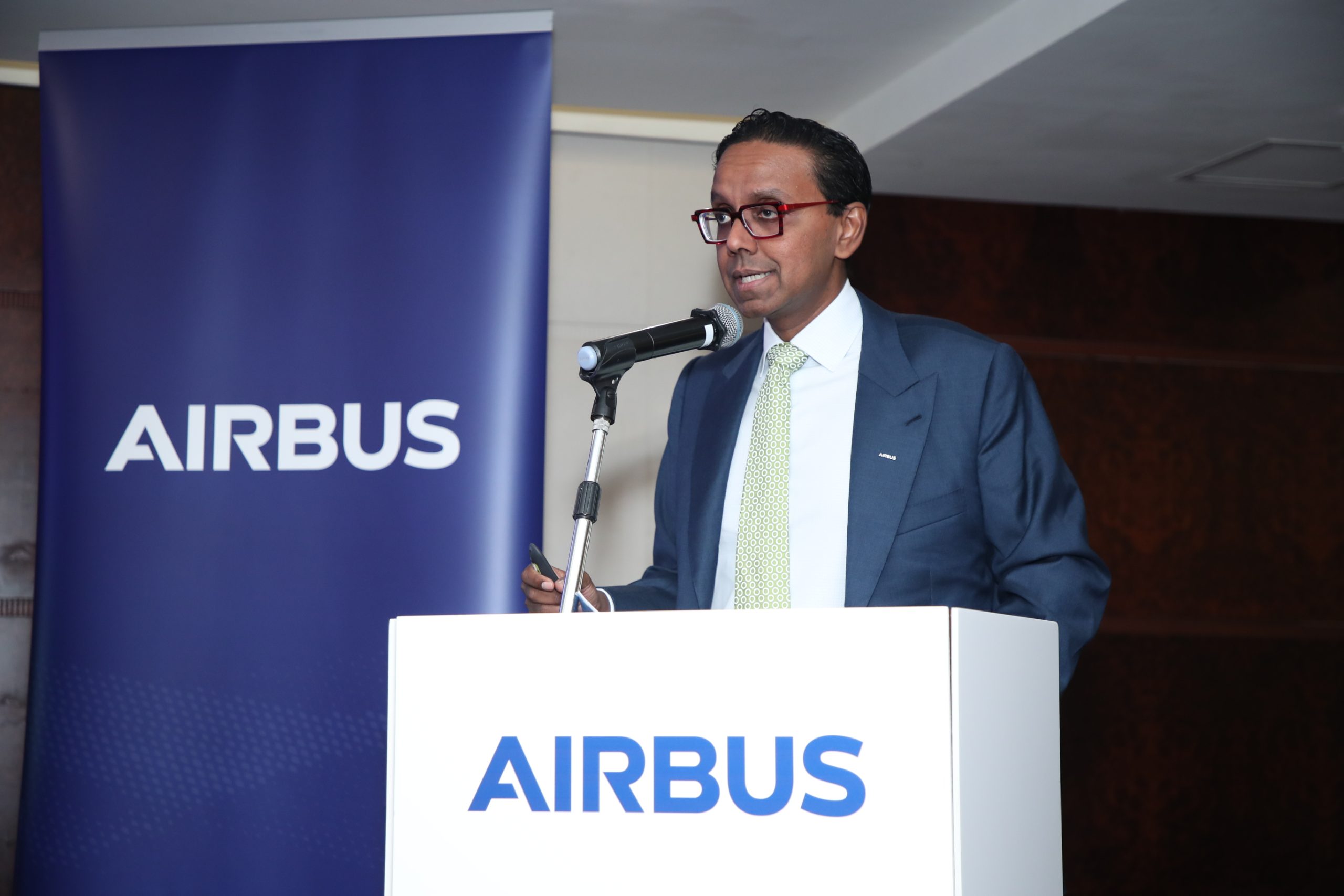
"We are seeing an evolution in Asia-Pacific networks and how they connect," noted Anand Stanley, President Airbus in Asia-Pacific. "Alongside sustained expansion in long-haul networks, airlines are decentralising beyond traditional hub-and-spoke models to connect secondary cities directly to the global economy. By leveraging latest generation aircraft technology, carriers in the region are rewriting connectivity maps and driving the region's long-term economic prosperity."
By the end of August 2026, 119 airlines across Asia-Pacific were operating 5,000 Airbus commercial aircraft—securing a 58% market share—with nearly 3,500 more on order. This order backlog represents 61% of the worldwide market for commercial jets with over 100 seats across all manufacturers.


