


【領事專訪|地緣經濟】(2)Belt and Road Initiative Elevates Laos' Geo- Economic Rise Leveraging Land and Resource Assets with Hong Kong's Capital Network to Join High-Standard International Economic Circles
Proposed by President Xi Jinping in 2013, the joint construction of the Belt and Road Initiative (BRI) is a major comprehensive initiative and an international vision that brings benefits to the global community. Through the combined efforts of all participating parties, the joint construction of the Belt and Road Initiative has evolved from an initiative to practice, from concept to action, and from vision to reality. This key national development strategy has brought about a historical breakthrough in economic and trade relations between the Lao PDR and Hong Kong.
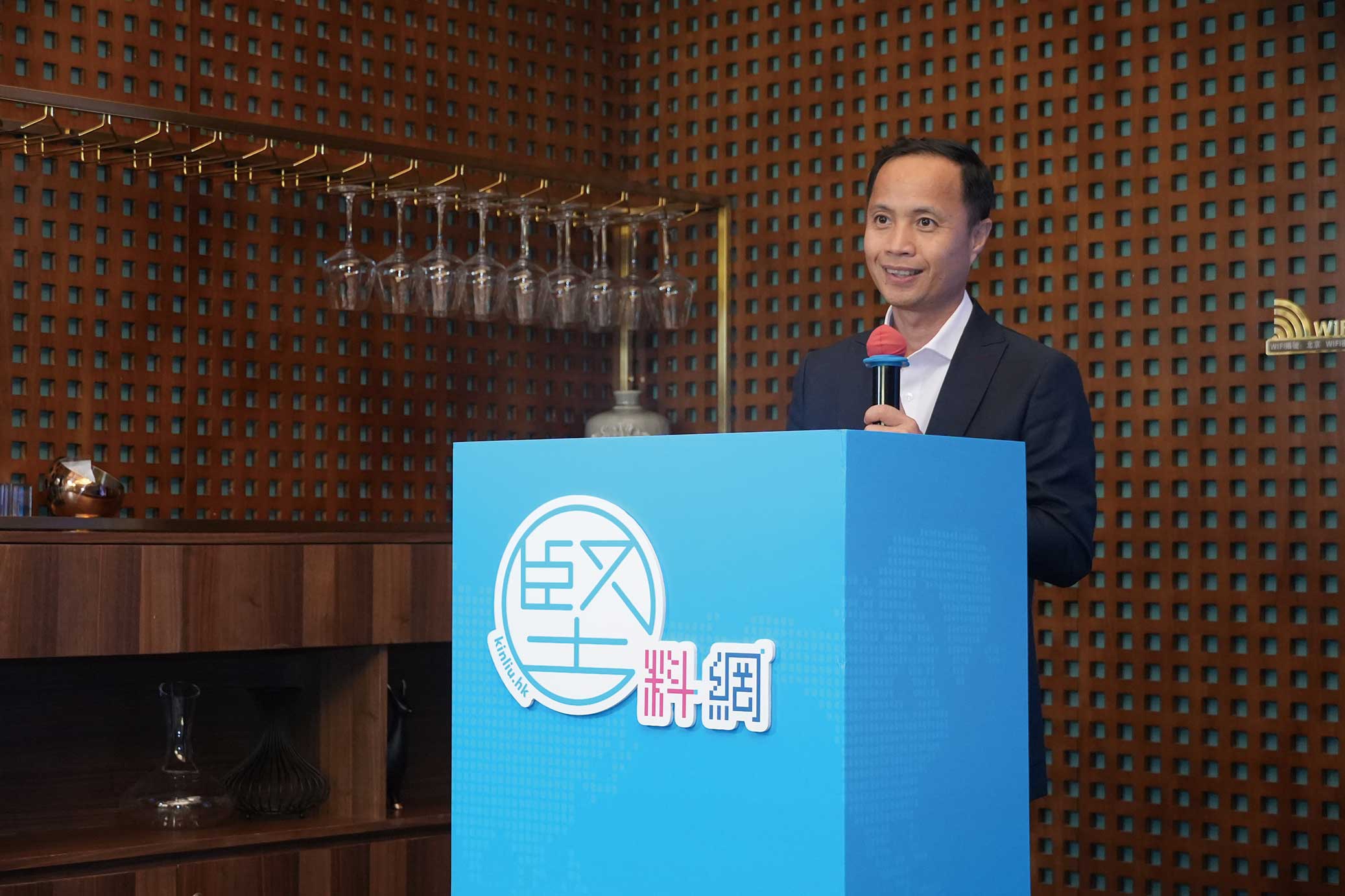
In an exclusive interview with Kin Magazine, Mr. Ammala Saenchonghack, the Consul General of Laos in Hong Kong, noted that bilateral cooperation between the two sides is currently in a prosperous period or could be called the golden era. From infrastructure connectivity to deep collaboration in green finance, smart logistics, and tourism, this partnership not only injects strong momentum into Laos' national transformation, but also provides a brand-new stage for Hong Kong to leverage its role as a super connector, creating a win-win outcome for both sides.
Lao-China Railway Accelerates Laos' National Strategy
As a landlocked country in Southeast Asia, Laos has long faced transportation bottlenecks and geographic isolation. Consul General noted that under the framework of the Belt and Road Initiative, the Lao PDR is accelerating its national strategy to transform into a land-linked country and regional integration between ASEAN countries and China, with the Lao-China Railway Project being the most iconic milestone. Since its completion in 2021, the railway is now in its sixth year of operation. In addition to connecting the Lao PDR and China, it also connects to other ASEAN countries. It has revolutionized the transportation system in the Lao PDR, significantly helping to reduce the cost of transporting goods, attract trade and investment, and promote the rapid growth of the tourism sector.
Furthermore, under the BRI framework, the Lao PDR also focuses on sustainable development, including green growth, especially the development of clean energy, organic agriculture, and sustainable tourism, making tangible and long-term contributions to the overall socio-economic development of the Lao PDR.
Vast Potential for Complementary Cooperation Between Laos and Hong Kong
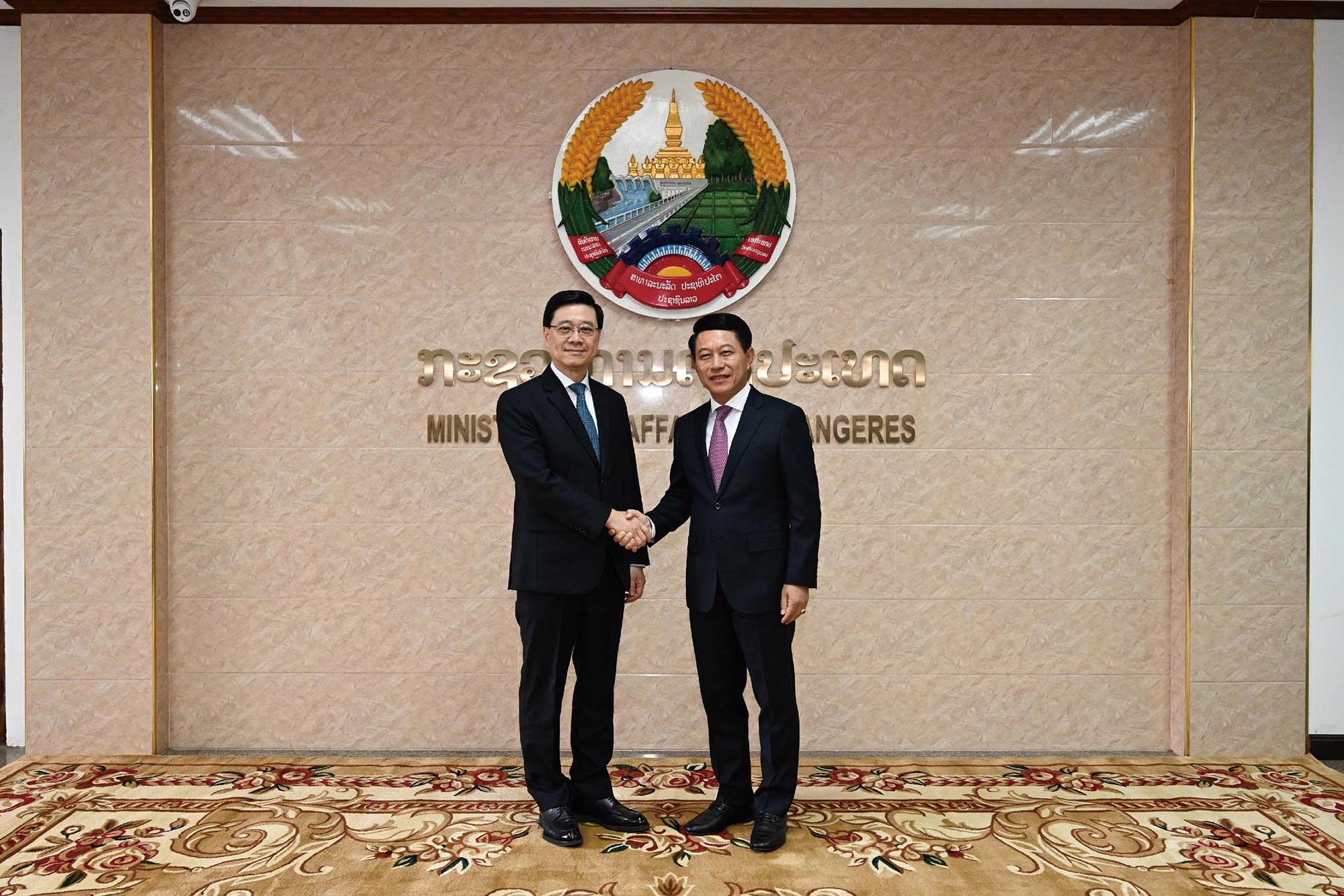
Under the unique framework of "one country, two systems", HKSAR plays an important role as a super connector for integrating China to the world and is one of the world's financial centers. Since the Lao PDR opened a Consulate General in Hong Kong in 2000 to promote economic, cultural, and social cooperation between Laos-Hong Kong and Laos-Macao, bilateral relations have continuously deepened, with the relationship currently in an unprecedented golden era.
Under the 4.0 industrial revolution where AI plays an important role, both sides still have many opportunities to cooperate across broad areas. Regarding financial technology and green finance, as the Lao PDR is currently transforming its financial system into a modern digital system, HKSAR, as the world's largest offshore renminbi (RMB) business hub and a green finance center, can provide strong capital and technical support. In logistics services, HKSAR has a lot of experience, which can interface deeply with the Lao PDR's development of dry ports and seaport logistics, such as the Ung An port in Ha Tinh province, Vietnam, to expand multimodal transport. In green industries, the Lao PDR has abundant energy and agricultural potential with many favorable policies, attracting investors from Hong Kong to invest in clean energy and organic agriculture. In tourism, both the Lao PDR and HKSAR have potential for eco-tourism. While Hong Kong has the Greater Bay Area Development Cooperation Framework, the Lao PDR has cooperation under the Cambodia-Laos-Vietnam Cooperation (CLV framework), allowing both sides to act as integrators to connect GBA tourist sources deeply with the eco-tourism assets of the Indochina Peninsula.
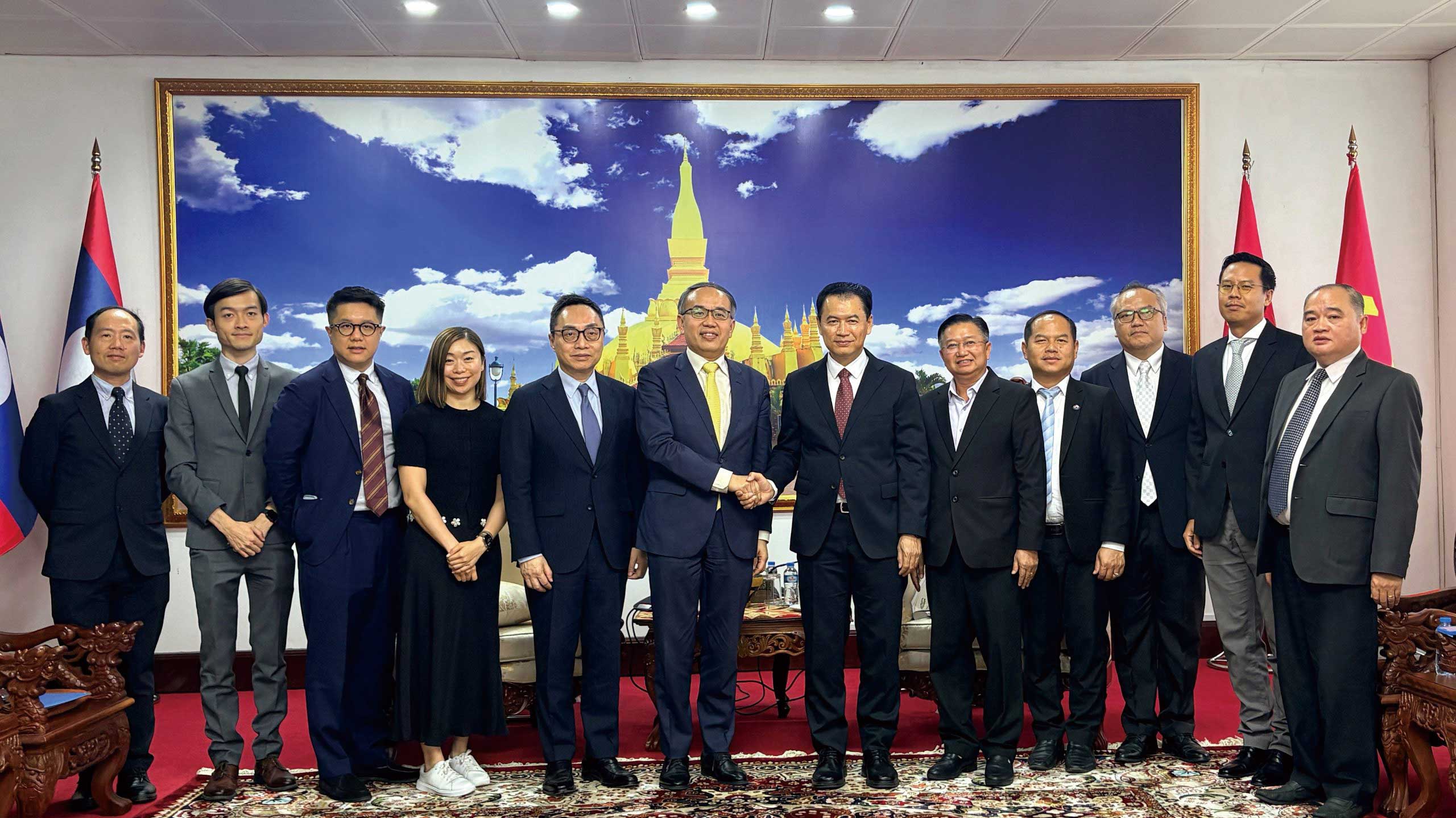
Addressing Hong Kong's Northern Metropolis development, the Consul General expressed high appreciation, recognizing the HKSAR Government's far-reaching vision. He noted that the Northern Metropolis is not merely an urban development plan, but a new strategic hub that seamlessly integrates Hong Kong with Guangdong, Macao, and other Greater Bay Area cities. He expressed strong belief that the Northern Metropolis will serve as a important catalyst to promote future exchanges and cooperation between Hong Kong and ASEAN, particularly with the Lao PDR, across various fields.


