

Exclusive Interview with Le Duc Hanh, Consul General of S.R. Vietnam in Hong Kong: To Lam Visits Shenzhen to Assume APEC Chairmanship, Deepening Vietnam–China and GBA Innovation and Financial Cooperation

AI視界
(以下內容由AI生成,僅供參考)
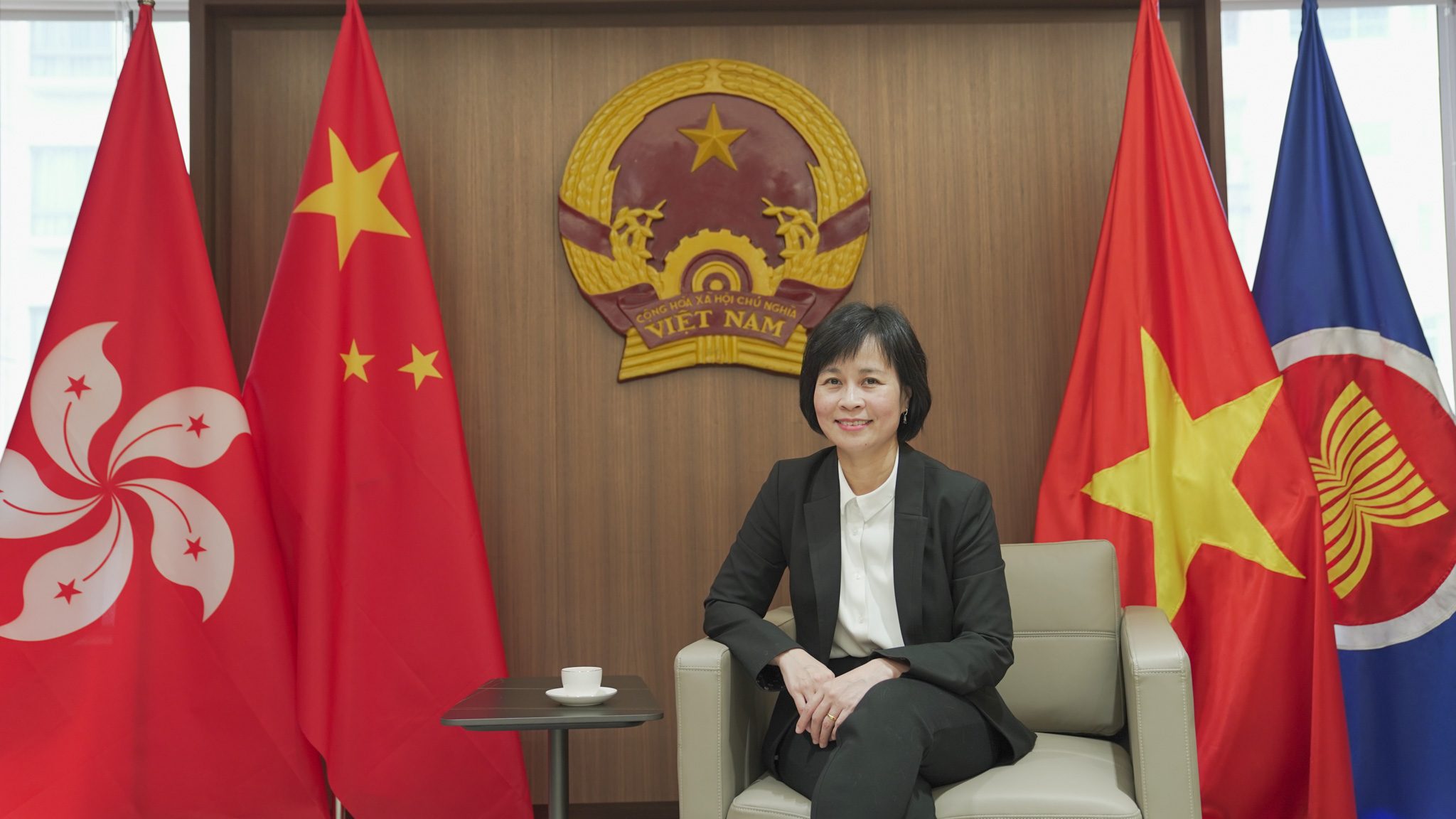
Ahead of President To Le Lam's visit to Shenzhen for APEC, Vietnamese Consul General in Hong Kong Ms. Le Duc Hanh discussed in an exclusive interview bilateral ties, APEC 2027 preparations, and economic cooperation with Hong Kong and the GBA.
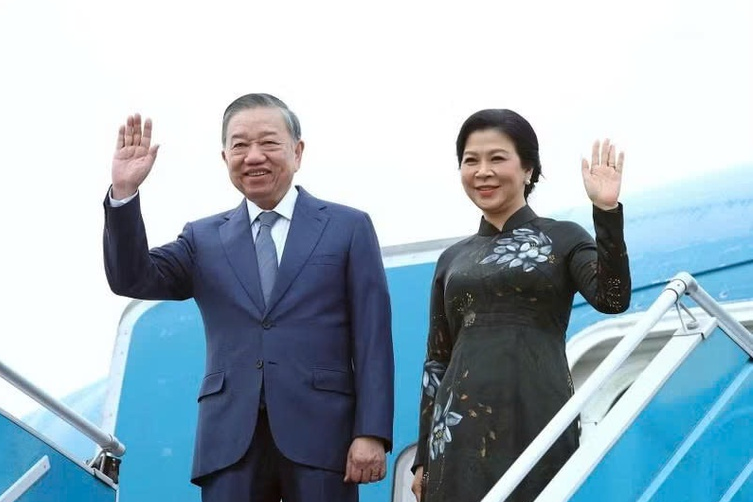
The 33rd APEC Economic Leaders' Meeting is set to open today (November 17) in Shenzhen. General Secretary of the Communist Party of Vietnam Central Committee and President To Lam, accompanied by his spouse and a high-level Vietnamese delegation, is visiting Shenzhen from November 17 to 20 to attend the APEC Economic Leaders' Week and engage in bilateral activities in China. On the eve of the summit, the Consul General of Vietnam in Hong Kong, Ms. Le Duc Hanh, gave an exclusive interview to our publication, elaborating on the strategic significance of President To Lam's visit, Vietnam's bridging role between ASEAN and APEC, preparations for assuming the APEC chairmanship next year, and the prospects for economic and trade cooperation with Hong Kong and the Guangdong–Hong Kong–Macao Greater Bay Area (GBA).
Aligning New National Plans to Expand Innovation and Cross-Border Infrastructure Cooperation
Ms. Le Duc Hanh noted that this trip marks President To Lam's second visit to China this year following his state visit in April, carrying substantial significance on both bilateral and multilateral fronts. Both nations are currently entering new stages of development in tandem: Vietnam is comprehensively implementing the resolutions of the 14th National Party Congress to advance institutional reform, digital transformation, and high-tech industries, while China is embarking on the first year of its 15th Five-Year Plan, focusing on high-quality development, new quality productive forces, and technological self-reliance.
She stated that President To Lam's engagements in Shenzhen and Yunnan Province will provide Vietnam with direct access to China's innovation drivers in artificial intelligence (AI), green energy, and cross-border logistics. On the one hand, Vietnam hopes to leverage the GBA's strengths in advanced manufacturing and supporting industries by linking high-quality investment with human resource development. On the other hand, through bilateral activities in Yunnan, both sides will promote seamless
transport infrastructure connectivity, the development of modern logistics systems, and the early implementation of "smart border gate" models, further enhancing border management efficiency and people-to-people exchanges.
Vietnam to Host APEC for the Third Time; Phu Quoc Welcomes Next Year's Summit
During the meetings in Shenzhen, President To Lam will officially accept the baton as host of APEC 2027. The Consul General stated that Vietnam is participating in this year's meetings with the mindset of an incoming host, utilizing the opportunity to listen broadly to the views of fellow member economies and garner their support. This will lay the groundwork for a multi-year agenda that addresses both immediate practical needs and long-term regional development, focusing on regional supply chain resilience, digital and green transitions, and responses to geopolitical challenges.
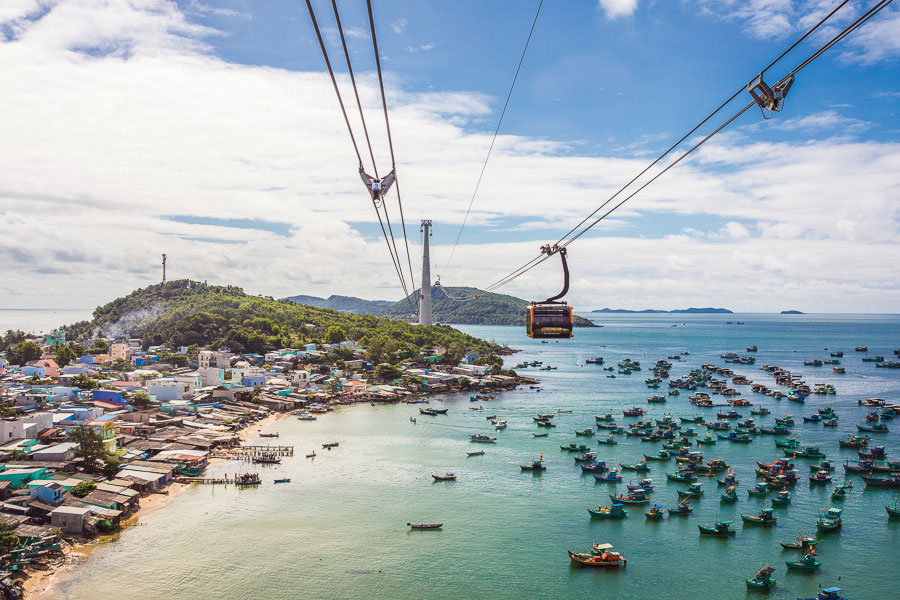
Phu Quoc Island has been designated as the venue for the 2027 APEC Economic Leaders' Week, marking the third time Vietnam will host the APEC summit following 2006 and 2017. Consul General introduced
Phu Quoc as a destination combining natural ecological advantages with strong development potential. Hosting the summit there will not only showcase Vietnam's national image and achievements in international integration but also reflect the country's vision for a new era—emphasizing green growth,
sustainability, and modernization. Vietnam is currently accelerating relevant infrastructure and preparatory work, hoping to inject substantive momentum into Asia-Pacific regional cooperation through pragmatic dialogue and policy continuity.
Leveraging FTA Networks to Promote Synergistic Development Between ASEAN and APEC
Economic and trade data show that Vietnam has remained China's largest trading partner within ASEAN for ten consecutive years. In the first ten months of 2026, bilateral trade between Vietnam and China reached nearly USD 290 billion, representing a year-on-year increase of 39.3%, and is projected to exceed USD 350 billion for the full year. Furthermore, 17 of the other 20 APEC member economies have signed free trade agreements with Vietnam, accounting for over 77% of Vietnam's total foreign trade and 80% of its foreign direct investment (FDI).
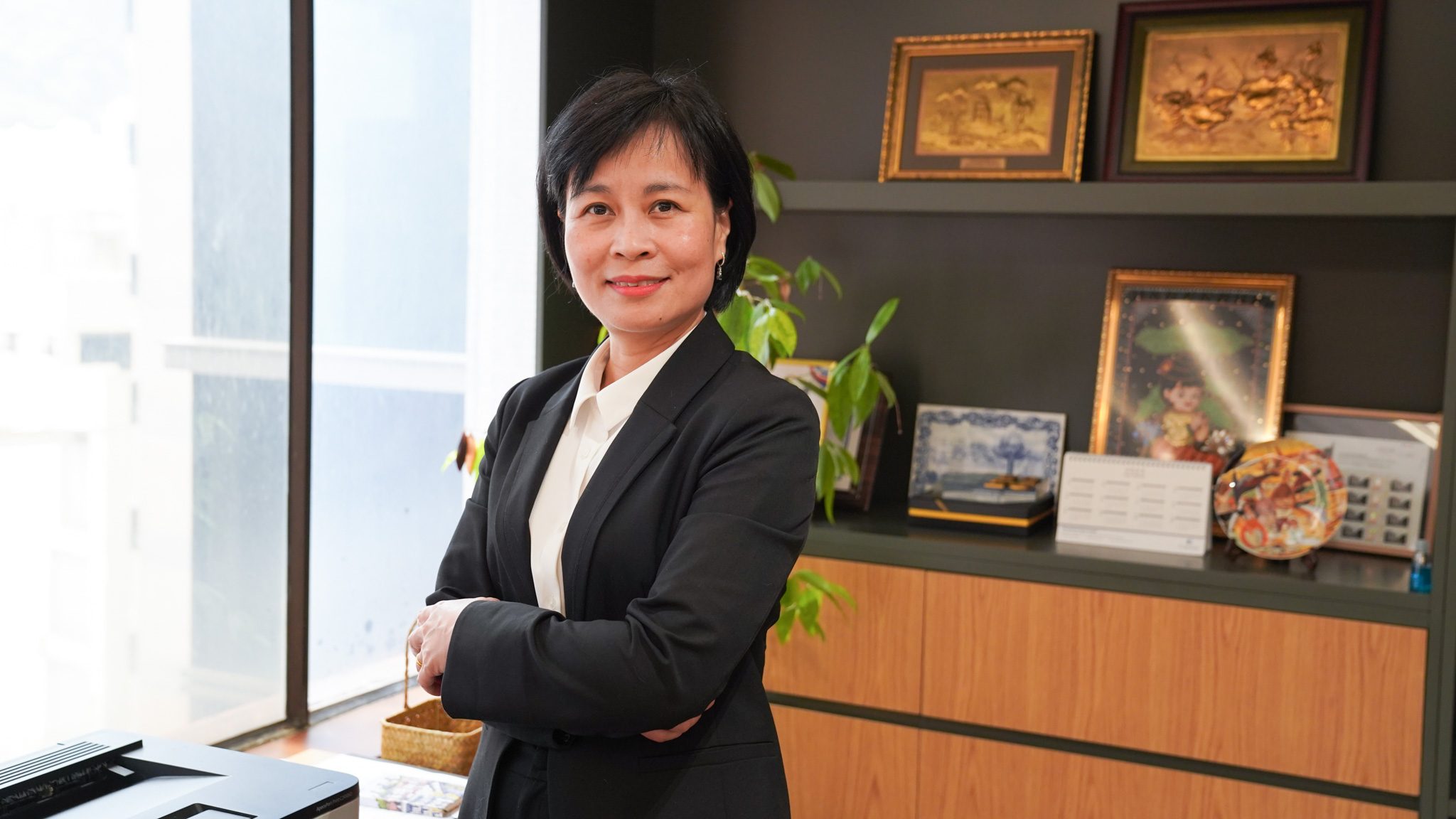
The Consul General analyzed that situated at the intersection of multiple economic corridors and regional supply chains—and as a member of both the Comprehensive and Progressive Agreement for Trans-Pacific
Partnership (CPTPP) and the Regional Comprehensive Economic Partnership (RCEP)—Vietnam is well-positioned to serve as a "bridge" between ASEAN and APEC. On the one hand, Vietnam can proactively propose infrastructure connectivity initiatives and mobilize capital, technology, and expertise from developed APEC economies to support ASEAN's sustainable development and digital transformation. On the other hand, within the APEC framework, Vietnam is committed to aligning Southeast Asia's development priorities with the broader Asia-Pacific economic agenda, helping resolve supply chain bottlenecks and advancing the integration of institutional frameworks and digital infrastructure.
Attracting Green and Innovation Capital While Aligning AI Governance Standards
Amid global supply chain restructuring and rising trade barriers, the Consul General believes APEC must achieve substantive progress in trade facilitation and logistics cost reduction. Through direct dialogue channels such as the APEC CEO Summit and the APEC Business Advisory Council (ABAC), Vietnam aims to connect domestic enterprises directly with international investment funds and multinational corporations, channeling capital into renewable energy, smart grids, green transportation, and climate-resilient infrastructure, while helping small and medium-sized enterprises (SMEs) seize opportunities arising from digital transformation and AI.
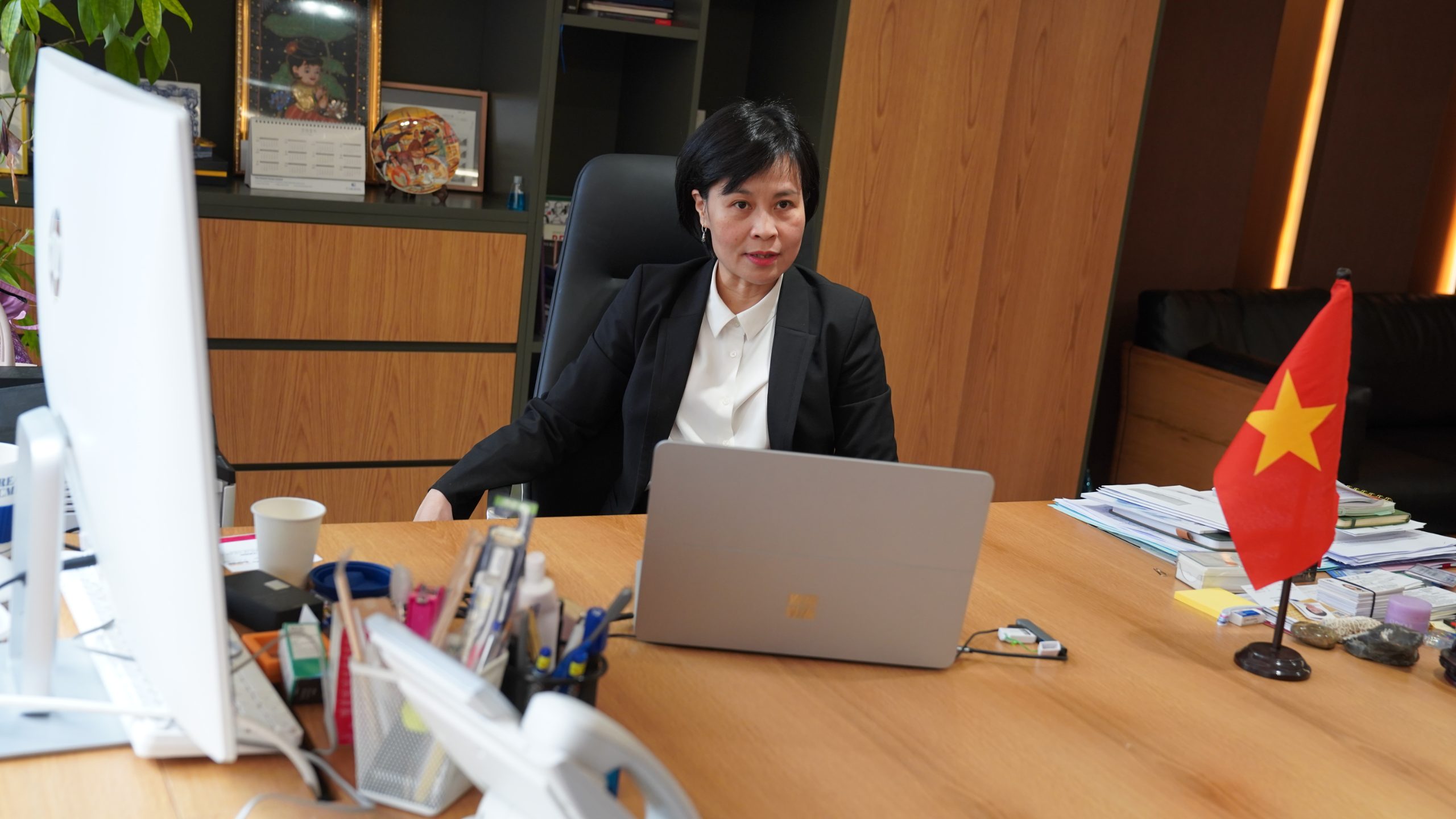
Regarding technology governance, Vietnam's Artificial Intelligence Law took effect in March this year. The Consul General expressed Vietnam's expectation that APEC will foster a favorable environment for the safe research, development, and application of AI and digital technologies, promote coordination on AI regulatory frameworks and technical standards among member economies, help SMEs adapt to the digital era, and boost regional productivity by building innovation networks and cultivating skilled talent.
Integrating into GBA Supply Chains and Leveraging Hong Kong's Role as a Financial and Innovation Hub
Regarding cooperation between Vietnam and the Guangdong–Hong Kong–Macao Greater Bay Area, the Consul General noted that Vietnam will continue to utilize platforms such as the "Vietnam – GBA Business, Investment, and Trade Connection Forums" to expand transport infrastructure and aviation networks to shorten travel times. Vietnam also seeks to promote enterprise collaboration in emerging sectors such as clean energy and advanced materials, while working with GBA partners to streamline customs and quarantine procedures and optimize logistics costs, integrating Vietnam more deeply into the GBA's global supply chain.
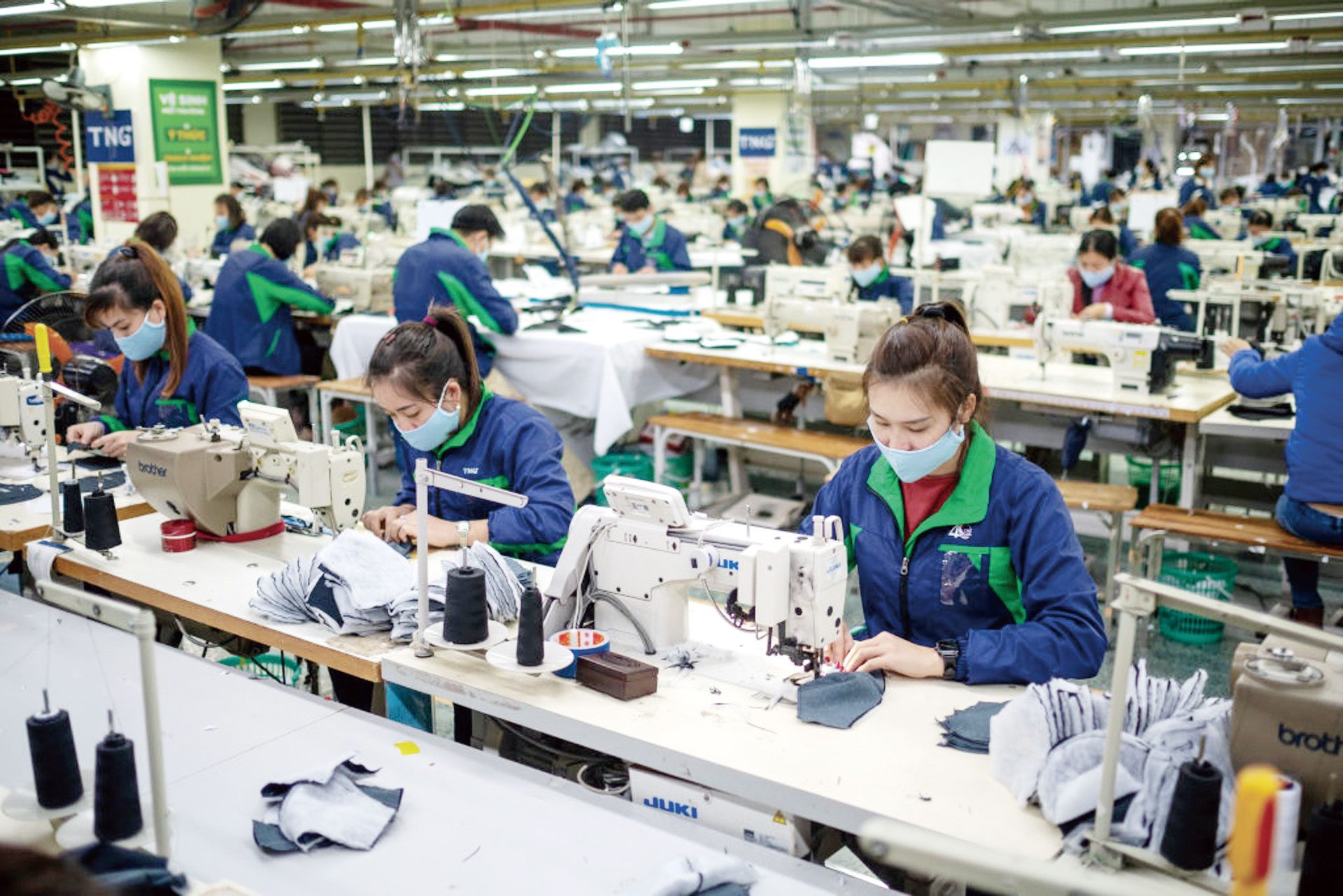
Speaking on Hong Kong's unique role in this process, the Consul General highlighted the continued robust growth of Vietnam–Hong Kong economic and trade ties. Bilateral trade between the two sides reached nearly USD 70 billion in 2025, surpassing the five-year target of USD 50 billion set in November 2022 by USD 20 billion—and doing so two years ahead of schedule. Currently, Vietnam is Hong Kong's third-largest trading partner globally and its largest within ASEAN, with bilateral trade reaching USD 81.9 billion in the first nine months of 2026 alone.
She emphasized that as a leading international financial center with deep expertise in bond issuance, investment fund structuring, and connecting businesses with global private capital, Hong Kong can provide vital support in strengthening Vietnam's capital markets and mobilizing funding for technological innovation.
At the same time, as a major innovation and technology hub within the GBA, bringing together numerous R&D institutions and high-tech enterprises looking to expand into ASEAN, Hong Kong can assist GBA tech firms in entering the Vietnamese market in a targeted manner, introducing clean technologies, AI, and digital solutions into Vietnam's value chains, thereby accompanying Vietnam in deepening its economic ties with major regional economies and enhancing its governance capabilities.


