

【領事專訪|國際經貿】(1)Hong Kong's Future Economic Engine Bridging the "Inbound-Outbound" Divide Philippine Consul General Romulo Victor M. Israel Jr. Full Confidence in the Northern Metropolis
As the nation's 15th Five-Year Plan kicks off, the Hong Kong SAR Government has formulated and pushed forward its inaugural "Five-Year Plan" to actively align with national development strategies and seize major upcoming opportunities. Central to this roadmap is the mandate to make the Northern Metropolis (NM) "bigger, faster, and stronger." The NM is not only a vital platform connecting Hong Kong with other cities in the Guangdong-Hong Kong-Macao Greater Bay Area (GBA) and a major engine for Hong Kong's future economic growth, but it also serves as a brand-new strategic gateway for the city to face ASEAN, attract overseas strategic investments, and expand international economic and trade cooperation.
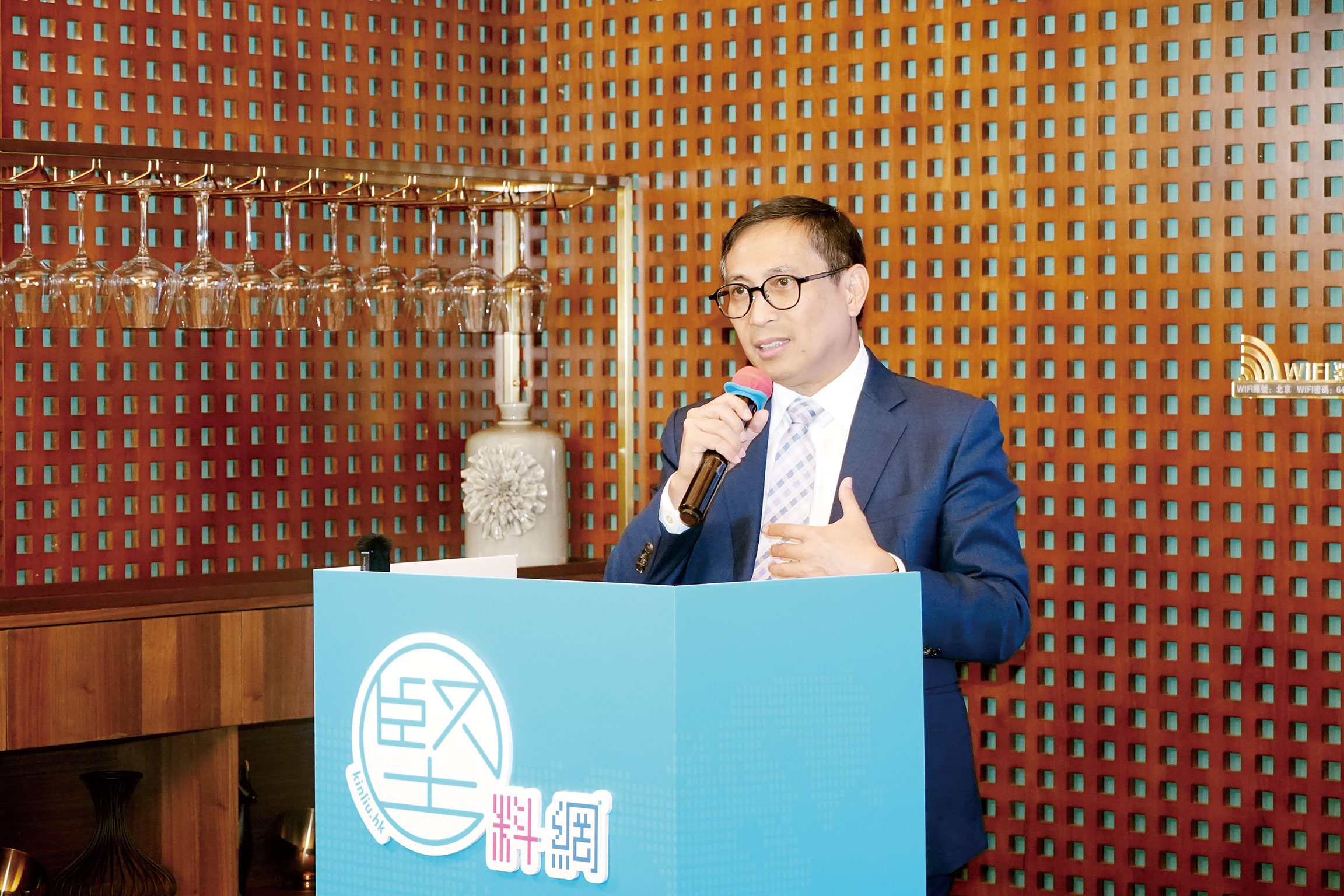
Last month, Consul Generals from various nations were invited to gain a first-hand understanding of the NM's planning and latest developments. Among them, Mr. Romulo Victor M. Israel Jr., Consul General of the Philippines in Hong Kong, sat down for an exclusive interview with Kin Magazine. He noted that the visit not only deepened global understanding of the NM but also helped catalyze exchanges between Hong Kong, ASEAN, and other regions across trade, innovation and technology, industrial development, and environmental conservation. During the interview, he also shared his outlook on the future economic synergy between Hong Kong and the Philippines.
Strong Economic Ties Binding : Hong Kong and the Philippines
The Association of Southeast Asian Nations (ASEAN) has experienced rapid economic expansion in recent years, emerging not only as the world's fifth-largest economy but also as a core engine powering global growth. As ASEAN's second-largest trading partner, Hong Kong has historically maintained robust economic ties with the bloc. In response to growing ASEAN market demand, Hong Kong has evolved into a pivotal platform, playing a dual "inbound-outbound" role: helping ASEAN enterprises penetrate the Mainland Chinese market while enabling Mainland enterprises to expand their footprint across Southeast Asia.
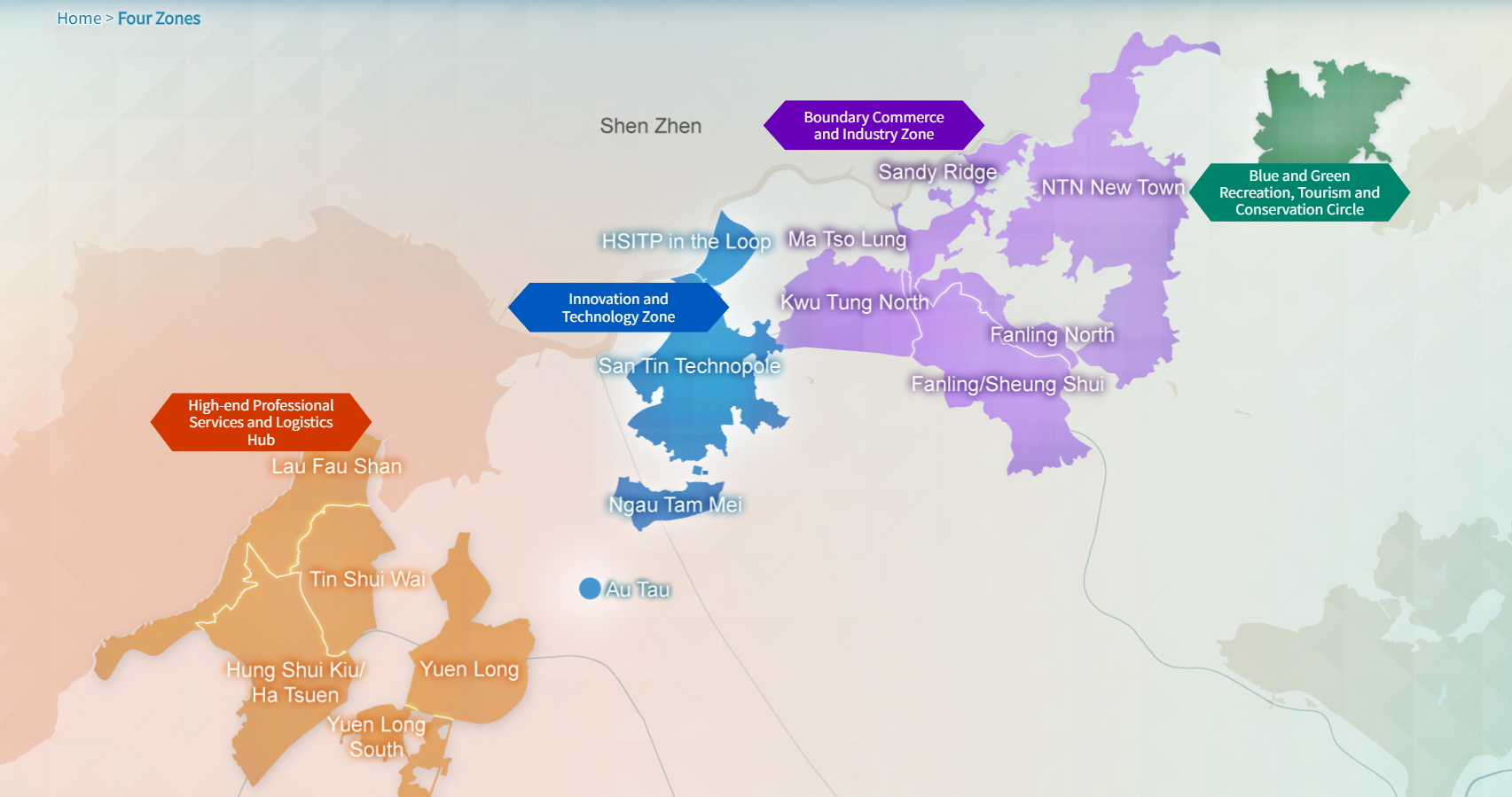
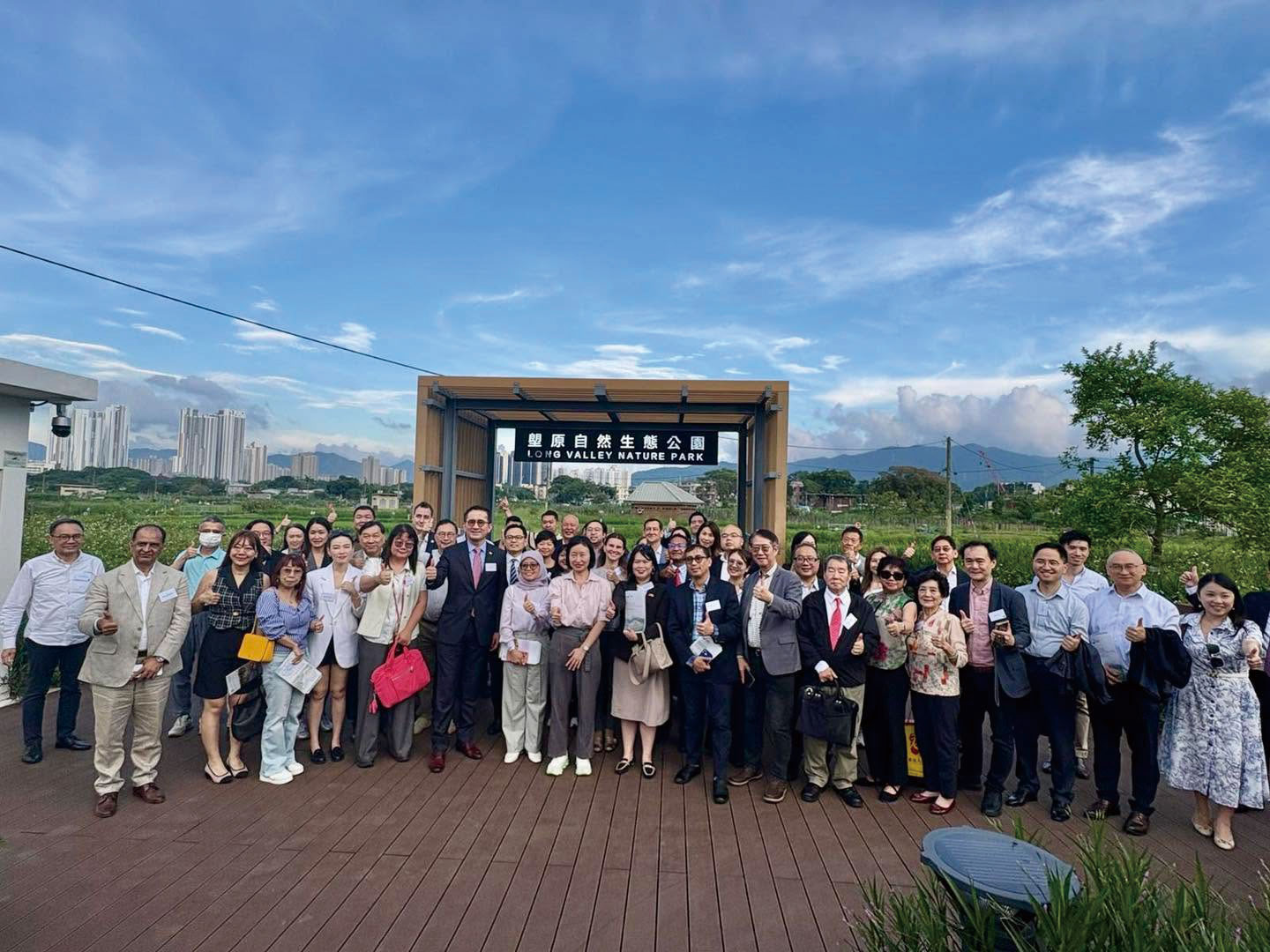
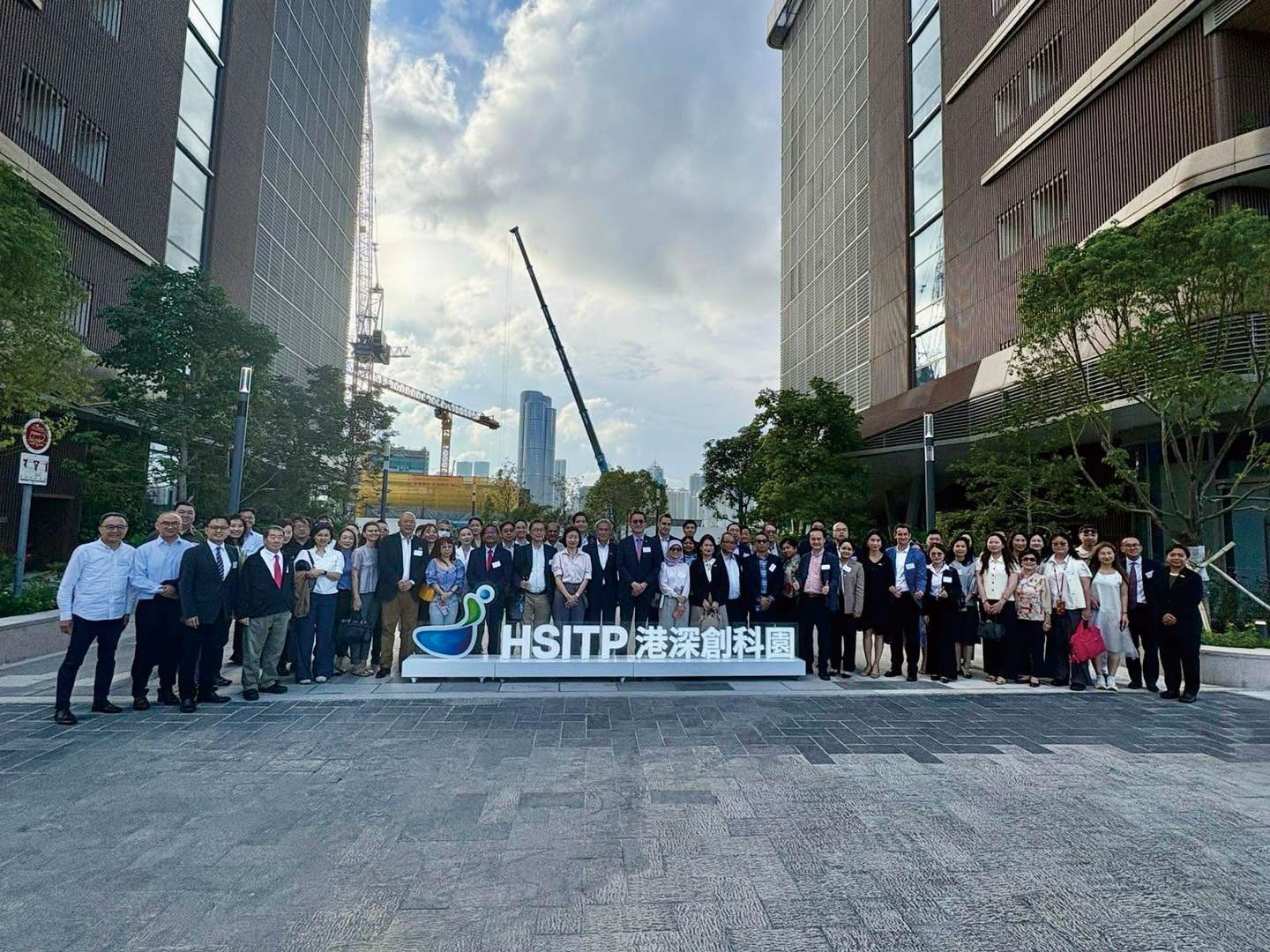
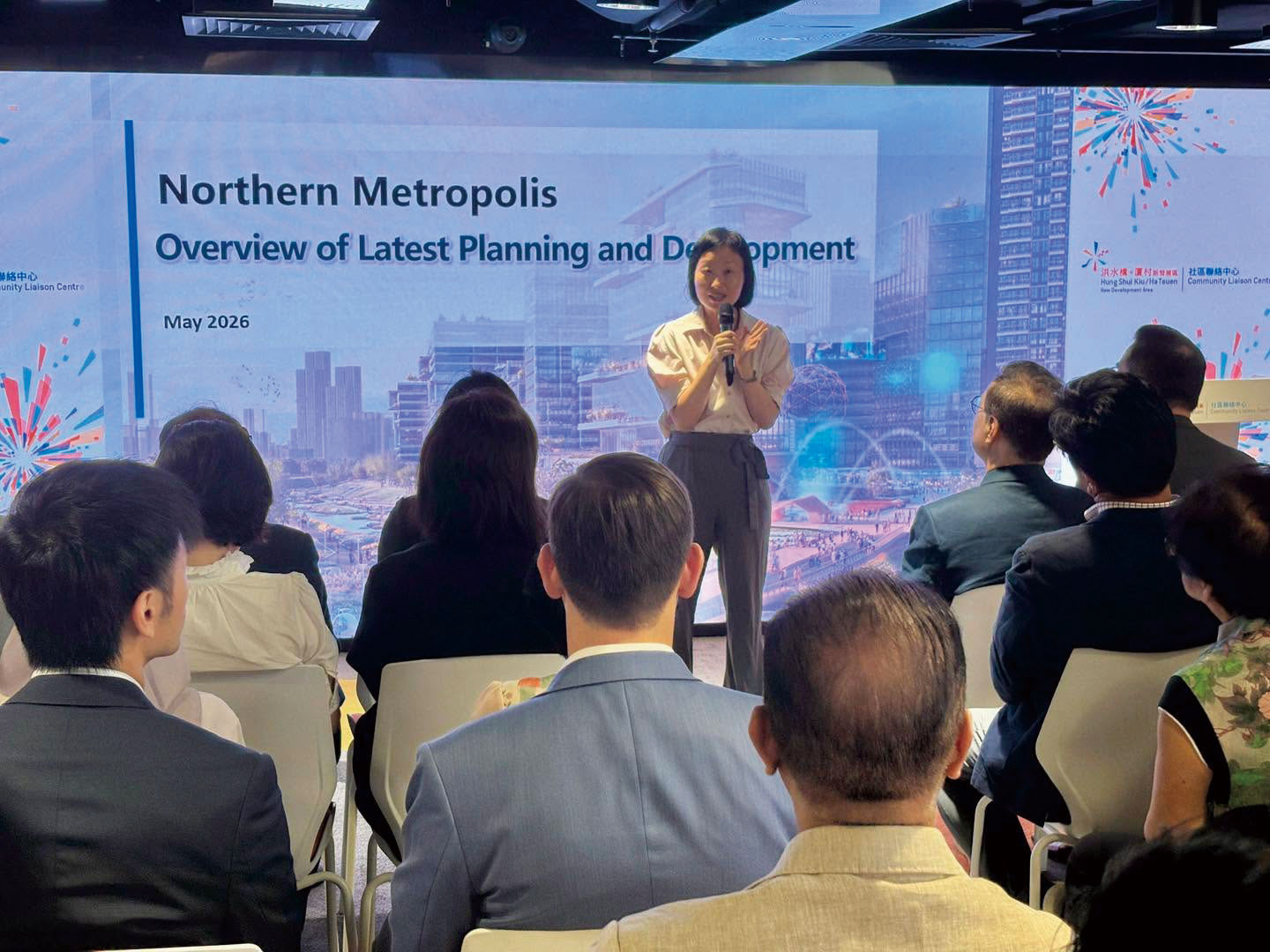
Last month, the Hong Kong-ASEAN Foundation arranged a field trip to the NM for diplomatic representatives in Hong Kong. The delegation first visited the Community Communication Center of the Hung Shui Kiu/Ha Tsuen New Development Area (NDA) to brief themselves on the planning and construction progress of the NDA and the broader NM. They then proceeded to the HSITP Visitor Centre, wet-laboratory buildings, and talent accommodation building to hear presentations on innovation and technology developments. Finally, they visited the Long Valley Nature Park to learn about the NM's ecological conservation initiatives.
Blazing a New Trail for Regional Cooperation
Having witnessed the development firsthand, Philippine Consul General remarked that the NM represents a bold vision for Hong Kong's future, one that resonates strongly with ASEAN partners like the Philippines. He believes that, as an international innovation and technology hub, the NM will empower Hong Kong to play a greater role in driving the development of other GBA cities, particularly Shenzhen. By anchoring the “South-North dual engine” of finance and innovation, the Northern Metropolis is set to inject new economic impetus into Hong Kong while opening fresh avenues for regional cooperation.
As an ASEAN member state, the Philippines is projected to achieve an economic growth rate of 6.1% between 2025 and 2026, positioning it at the forefront of major ASEAN economies. Concurrently, Hong Kong ranks as the Philippines' 4th largest trading partner, 2nd largest export market, and 14th largest import source, with bilateral trade volume reaching US$ 14.22 billion in 2025. Serving as a crucial entrepôt, Hong Kong channels Philippine goods onward into Mainland China and Macao, underscoring its immense strategic importance.
Amplifying Hong Kong's Role as a Strategic Gateway
"For the Philippines, this development offers a platform to deepen exchanges in economy and trade, innovation and technology, and industrial development," the Consul General noted. "Hong Kong's role as a re-export hub already channels Philippine goods onward to Mainland China and Macau; the Northern Metropolis will expand this gateway function by situating new industries close to Shenzhen's dynamic Information and Technology base.”
Furthermore, Consul General Israel commended as equally important the Northern Metropolis' commitment to environmental conservation. With wetlands preserved and developed into conservation parks, and housing integrated with green living, the project reflects values that align with sustainable practices promoted by Philippine enterprises.
The vision of accommodating 2.5 million residents and creating 650,000 jobs underscores its scale as a new engine of growth. The Consul General's visit highlights confidence that the Northern Metropolis can serve as a bridge between Hong Kong, ASEAN, and other regions, fostering inclusive prosperity, technological collaboration, and environmental stewardship.


