

【領事專訪|革新開放】(2)(English Version)Vietnam's Economic Rise and Strengthening Hong Kong-Vietnam Ties Le Duc Hanh, Consul General of S.R. Vietnam in Hong Kong: Highly Optimistic About Bilateral Relations
Since the 1980s, through the "Doi Moi" (Renovation) policy, Vietnam has rapidly transformed from an agrarian society into an economy driven by export processing, services, and foreign trade in just 30 years. Not only has its domestic GDP growth been robust, but its performance among emerging Asian economies has also been remarkable, becoming a major engine for global economic growth. With Vietnam set to host the 2027 APEC (Asia-Pacific Economic Cooperation) Summit and an increasing number of Hong Kong enterprises investing in the country, economic ties are becoming closer than ever. To further understand the cooperation between Vietnam and Hong Kong, Kin Magazine invited Ms. Le Duc Hanh, Consul General of S.R. Vietnam in Hong Kong and Macau, to share her vision for bilateral cooperation and the outlook for Vietnam's economy.
By: Kin Magazine Reporter Photo: Chan Kam-fai
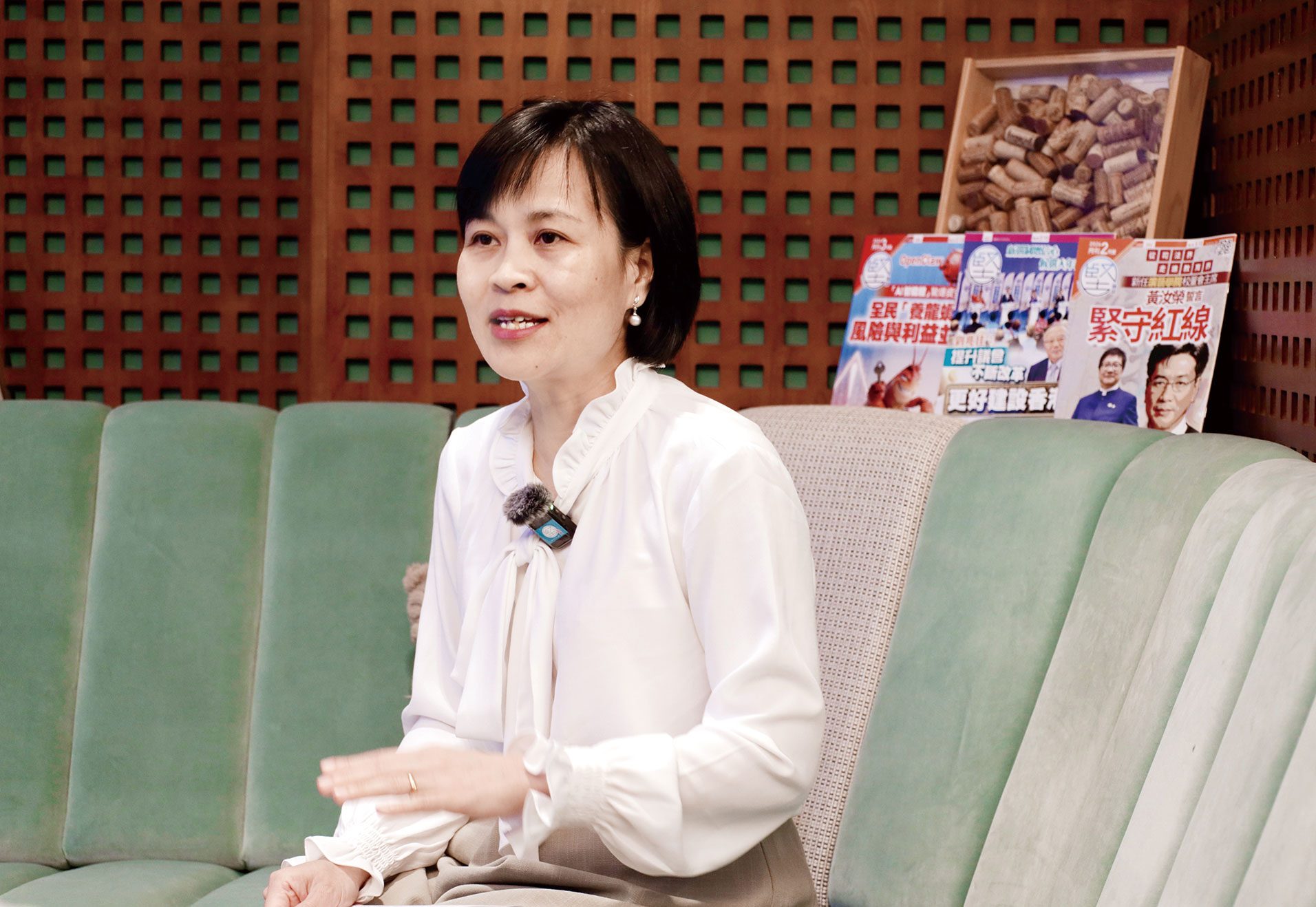
Regarding the relationship between Vietnam and Hong Kong, Consul General Le Duc Hanh expressed high optimism. She noted that the economic ties between the two regions have a long history, and even amidst the challenges of the COVID-19 pandemic, cooperation continued to grow, demonstrating incredible resilience and growth speed. She believes there will be more diverse opportunities for collaboration in the future, particularly in transportation networks, infrastructure, renewable energy, and sustainable development.
Strong Growth in Bilateral Trade

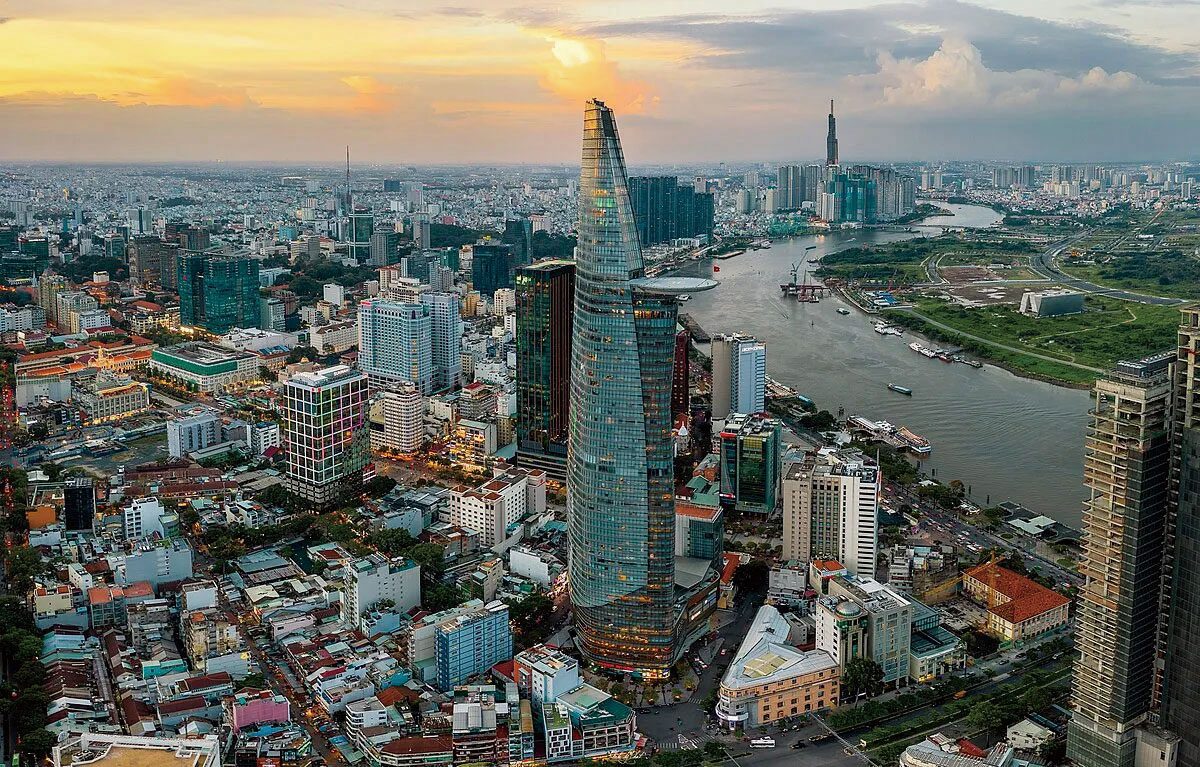
Vietnam has a highly open economy, where international trade serves as a key driver of economic growth, with trade accounting for 174% of GDP in 2024. The Consul General cited various data points to support this. She noted that bilateral trade between Vietnam and Hong Kong grew by 75% last year—with Vietnam's exports to Hong Kong surging by over 95%, and Hong Kong's exports to Vietnam recording a growth of over 50%. This strong momentum continued into the first two months of 2026, with exports from Vietnam to Hong Kong in January and February increasing by nearly 100% compared to the same period last year.

While pleased with these impressive trade figures, the Consul General firmly believes there is still immense potential for cooperation. She stated: "Chief Executive John Lee has mentioned 'synergy.' The two regions are actively cooperating in various fields, such as investment in wind power and the development and management of transport infrastructure. This exchange provides complementary advantages, creating a '1+1 is greater than 2'effect."

Hong Kong Enterprises Invest Across Diverse Sectors
In terms of investment, Hong Kong remains Vietnam's fifth-largest source of investment. Hong Kong investors have successively invested in electronics component factories, garment factories, and manufacturing plants for household goods for both export and local consumption. Furthermore, investments have been made in local supermarkets, retail, transport logistics, and supply chain management. Large enterprises like Sunwah Group and Swire Group serve as prime examples; they have expanded their footprint into Southeast Asia, with their Vietnamese investments evolving from single sectors to diversified portfolios, fully reflecting the close economic ties between Vietnam and Hong Kong.
Vietnam has long been committed not only to economic transformation but also to promoting foreign trade and building its international image by participating in regional cooperation and hosting international conferences. Following its hosting of APEC in 2006 and 2017, Vietnam will host the APEC Forum for the third time in 2027, showcasing its rising economic, diplomatic, and international status in the Asia-Pacific region.
International Alliances Benefit Global Trade
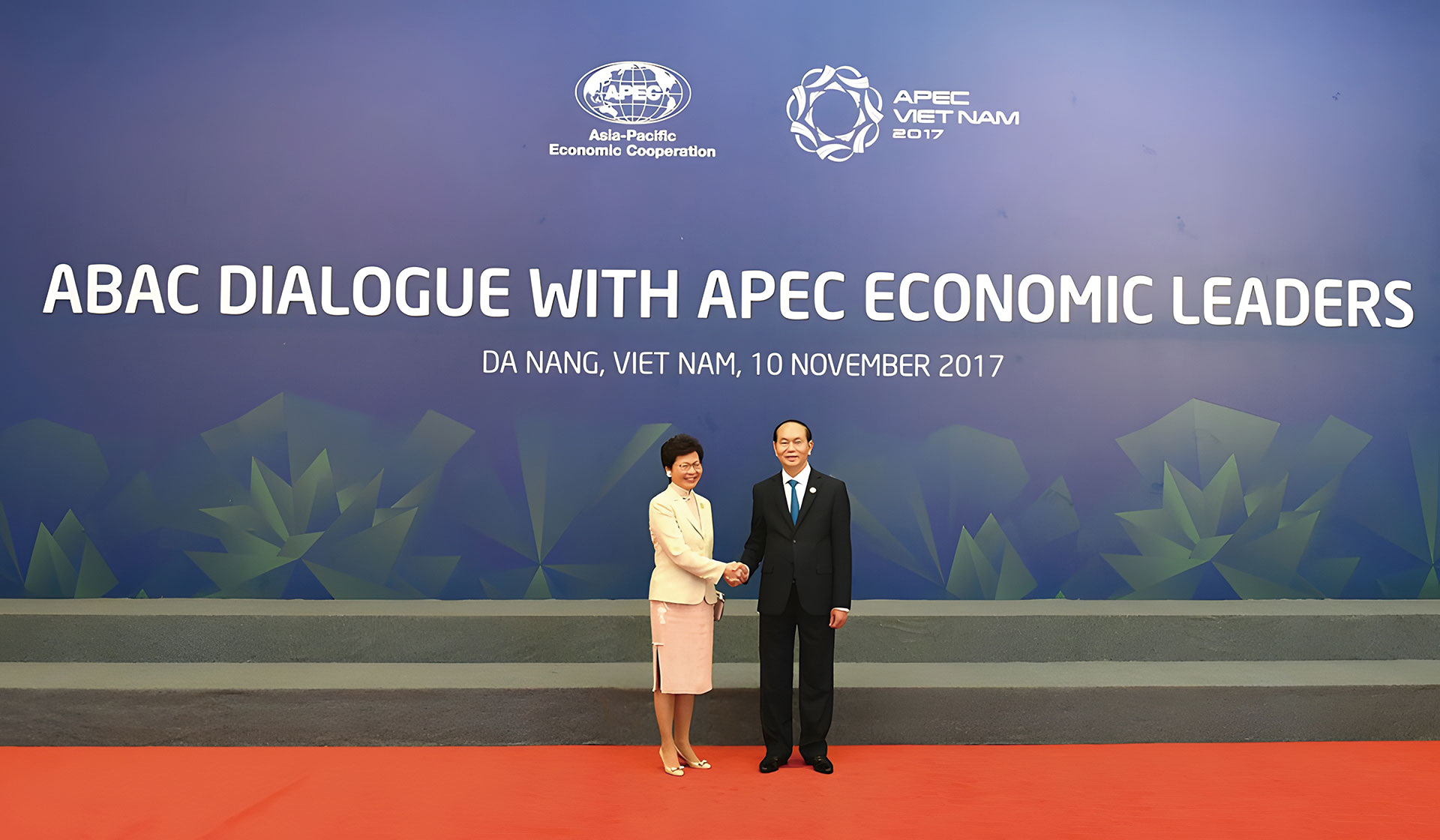
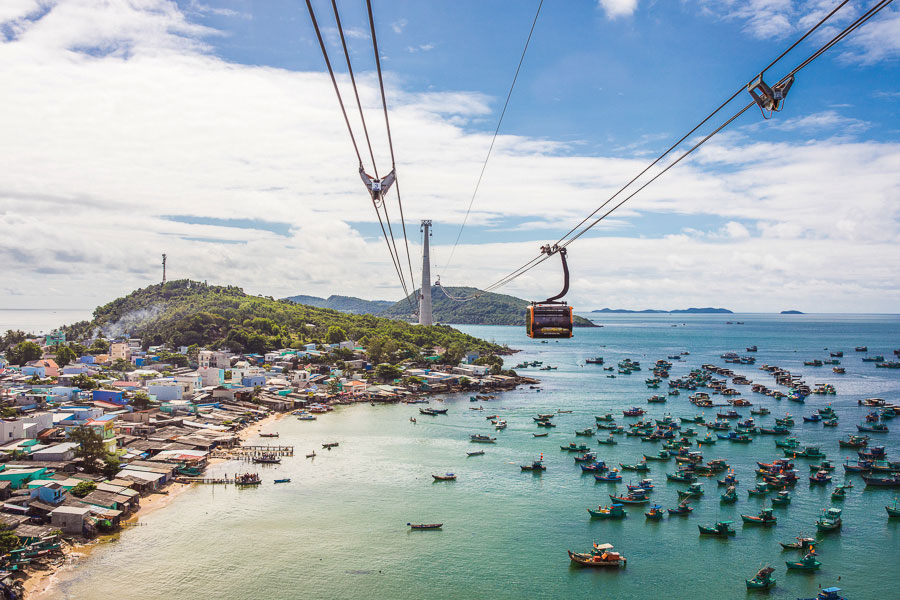
The Consul General expressed her anticipation of the upcoming APEC Forum hosted by Vietnam. She revealed that business partners from various countries will be invited to the host location, Phu Quoc Island, to demonstrate Vietnam's openness, dynamism, friendliness, and commitment to sustainable development. She believes hosting APEC benefits not only Vietnam but the entire region, explaining: "This international forum promotes trade and builds friendly relations between nations, ensuring sustainable business activities and maintaining stability in international and regional economic cooperation. We hope to explore the impact of trade cooperation on social, cultural, and labor levels, while also addressing global issues like global warming and environmental protection."
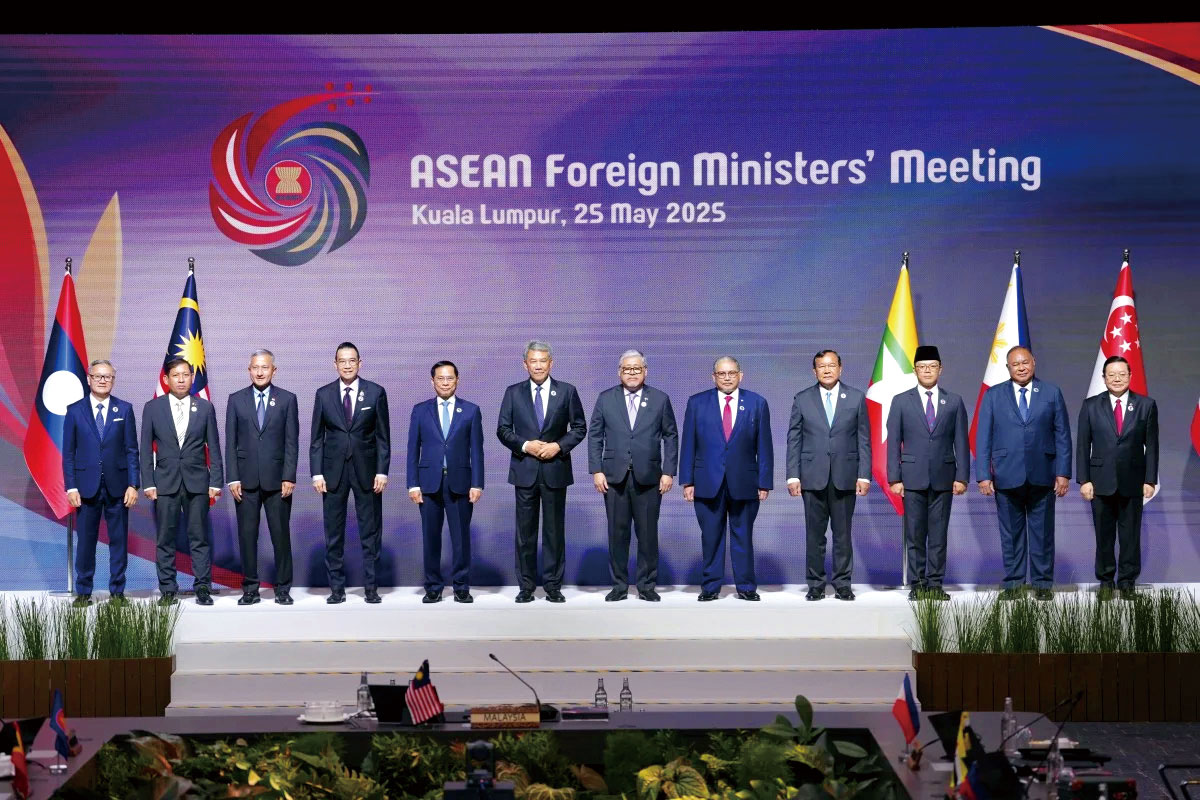
Additionally, Vietnam joined ASEAN (Association of Southeast Asian Nations) in 1995, using the platform to promote cooperation with major powers like China and the U.S., execute diplomatic strategies, and deepen trade relations. Regarding Vietnam's relationship with ASEAN, the Consul General views it as a vital platform for member economies to engage not only with each other but also with "Dialogue Partners" worldwide. The association emphasizes mutual assistance and collaboration, positioning Southeast Asia as a global center of development and stability. With Timor-Leste joining as the 11th member, ASEAN's coverage is now more comprehensive. She believes the values such as ASEAN Unity and ASEAN Centrality particularly aligns with the Vietnamese government's policy, noting that member economies are more than just friends—they are a "big family." She believes ASEAN unity contributes to global peace and stability.
The Consul General believes that Vietnam and Hong Kong are highly complementary and each has its own advantages. With regional and market integration, she expects cooperation between the two to become even deeper and more comprehensive.


